


Wellness Wednesday – Week 41

Why Is Sleep Important?

Sleep plays a vital role in good health and well-being throughout your life. Getting enough quality sleep at the right times can help protect your mental health, physical health, quality of life, and safety.

The way you feel while you’re awake depends in part on what happens while you’re sleeping. During sleep, your body is working to support healthy brain function and maintain your physical health. In children and teens, sleep also helps support growth and development.

The damage from sleep deficiency can occur in an instant (such as a car crash), or it can harm you over time. For example, ongoing sleep deficiency can raise your risk for some chronic health problems. It also can affect how well you think, react, work, learn, and get along with others.

Healthy Brain Function and Emotional Well-Being

Sleep helps your brain work properly. While you’re sleeping, your brain is preparing for the next day. It’s forming new pathways to help you learn and remember information.

Studies show that a good night’s sleep improves learning. Whether you’re learning math, how to play the piano, how to perfect your golf swing, or how to drive a car, sleep helps enhance your learning and problem-solving skills. Sleep also helps you pay attention, make decisions, and be creative.

Studies also show that sleep deficiency alters activity in some parts of the brain. If you’re sleep deficient, you may have trouble making decisions, solving problems, controlling your emotions and behavior, and coping with change. Sleep deficiency also has been linked to depression, suicide, and risk-taking behavior.

Children and teens who are sleep deficient may have problems getting along with others. They may feel angry and impulsive, have mood swings, feel sad or depressed, or lack motivation. They also may have problems paying attention, and they may get lower grades and feel stressed.

Physical Health

Sleep plays an important role in your physical health. For example, sleep is involved in healing and repair of your heart and blood vessels. Ongoing sleep deficiency is linked to an increased risk of heart disease, kidney disease, high blood pressure, diabetes, and stroke.

Sleep deficiency also increases the risk of obesity. For example, one study of teenagers showed that with each hour of sleep lost, the odds of becoming obese went up. Sleep deficiency increases the risk of obesity in other age groups as well.

Sleep helps maintain a healthy balance of the hormones that make you feel hungry (ghrelin) or full (leptin). When you don’t get enough sleep, your level of ghrelin goes up and your level of leptin goes down. This makes you feel hungrier than when you’re well-rested.

Sleep also affects how your body reacts to insulin, the hormone that controls your blood glucose (sugar) level. Sleep deficiency results in a higher than normal blood sugar level, which may increase your risk for diabetes.

Sleep also supports healthy growth and development. Deep sleep triggers the body to release the hormone that promotes normal growth in children and teens. This hormone also boosts muscle mass and helps repair cells and tissues in children, teens, and adults. Sleep also plays a role in puberty and fertility.

Your immune system relies on sleep to stay healthy. This system defends your body against foreign or harmful substances. Ongoing sleep deficiency can change the way in which your immune system responds. For example, if you’re sleep deficient, you may have trouble fighting common infections.

Daytime Performance and Safety

Getting enough quality sleep at the right times helps you function well throughout the day. People who are sleep deficient are less productive at work and school. They take longer to finish tasks, have a slower reaction time, and make more mistakes.

After several nights of losing sleep—even a loss of just 1–2 hours per night—your ability to function suffers as if you haven’t slept at all for a day or two.

Lack of sleep also may lead to microsleep. Microsleep refers to brief moments of sleep that occur when you’re normally awake.

You can’t control microsleep, and you might not be aware of it. For example, have you ever driven somewhere and then not remembered part of the trip? If so, you may have experienced microsleep.

Even if you’re not driving, microsleep can affect how you function. If you’re listening to a lecture, for example, you might miss some of the information or feel like you don’t understand the point. In reality, though, you may have slept through part of the lecture and not been aware of it.

Some people aren’t aware of the risks of sleep deficiency. In fact, they may not even realize that they’re sleep deficient. Even with limited or poor-quality sleep, they may still think that they can function well.

For example, drowsy drivers may feel capable of driving. Yet, studies show that sleep deficiency harms your driving ability as much as, or more than, being drunk. It’s estimated that driver sleepiness is a factor in about 100,000 car accidents each year, resulting in about 1,500 deaths.

Drivers aren’t the only ones affected by sleep deficiency. It can affect people in all lines of work, including health care workers, pilots, students, lawyers, mechanics, and assembly line workers.

As a result, sleep deficiency is not only harmful on a personal level, but it also can cause large-scale damage. For example, sleep deficiency has played a role in human errors linked to tragic accidents, such as nuclear reactor meltdowns, grounding of large ships, and aviation accidents.

http://www.nhlbi.nih.gov/health/health-topics/topics/sdd/why
Wellness Wednesday – Week 40

How to Eat a Healthy Meal Just About Anywhere

Traveling almost always means eating on the road or in the air. And that can mean making some nutritional sacrifices. But when the only option for lunch is a random gas station, it doesn’t have to mean that a balanced meal is completely off the table. In fact, it’s possible to find nutritious food options at airports, bodegas, fast food restaurants, and yes, even gas stations.

A few basic guidelines can help you stay on track: Go crazy with the veggies whenever possible. Try to achieve a stay-full-longer balance of protein and fiber. And keep an eye on portion sizes, especially at sit-down restaurants. Still need some guidance? Here are my favorite picks to have a healthy meal wherever you are.

Fast Food – With even the major hamburger chains selling decent veggie burgers and salads these days, it’s easier than ever to find reasonably nutritious fast food. My favorite combo: a small, no-frills burger or chicken sandwich with veggie toppings like lettuce, tomato, and pickles, plus a side salad. At joints like Taco Bell, I’ll go for a bean-and-cheese burrito, and at places like Panda Express I’ll get a rice bowl with veggies and chicken. These choices have a good combination of protein and fiber to keep you full longer.

Bodegas – Most bodegas have deli counters and can make surprisingly well- balanced sandwiches. While you may not be able to find whole-grain bread everywhere, you can generally get a full serving of veggies — just ask for a nice big handful of lettuce and tomato, plus any pickles or other vegetable toppings that look good to you. And if they don’t pile the meat and cheese too high (two to three thin deli slices and one piece of cheese is typically enough to satisfy), you won’t be OD’ing on sodium. If the best option is a baguette or long roll, I aim for about a 6- inch sandwich.

Gas Stations – While it can still sometimes be tough to find anything resembling a fruit or vegetable at some gas stations, increasing numbers of them have refrigerator cases stocked with fresh food, including some halfway decent salads. On a recent road trip, I assembled a surprisingly satisfying, high-fiber lunch from a gas station, including a single-serving hummus-and-pretzel cup, a fruit salad cup, and some not-overly-processed beef jerky. Other gas stations have nice selections of dried fruit, jarred salsa, and high-fiber multigrain chips — not to mention the usual standbys of nuts, trail mix, and granola bars.

Grocery Stores – Compared to some of the other places on this list, grocery stores are a piece of cake. Many have prepared food buffets, where you can find a variety of raw and cooked veggies, meat and vegetarian protein options, and grain-based salads. A good rule of thumb for portioning at these buffets: Fill half the container with veggies, then top with a serving of protein about the size of your palm, and a serving of grain/starch about the size of your fist. If your grocery store only has a deli counter, you can apply the same guidelines as you would in a bodega: a pile of veggies, and a few slices of meat and cheese. I also love a DIY picnic — try fresh-baked bread, a nice piece of cheese, some easy-to- eat fruit, and cut veggies with salsa or hummus for dipping.

Pharmacies – Like gas stations, many of the major pharmacy chains now also have refrigerator cases selling sandwiches and salads. Look for a balance of protein, veggies, and starch (say, for example, a salad with chicken, a colorful mix of greens and tomatoes, and a handful of croutons). If it’s breakfast time you can usually find yogurt, a fruit-and-nut bar, or a smoothie. Even pharmacies that don’t have refrigerator cases will usually still have a small grocery section where you can find nuts and other snacks as you would in gas stations and bodegas, but one unique thing about pharmacies is the nutritional supplement shakes, which are great for breakfast or a snack in a pinch. I stick to the varieties sweetened
with sugar instead of artificial sweeteners, which have been shown to alter the normal makeup of the intestinal microbiome. It’s best to keep your daily consumption of added sugars under about 25-30g, but these shakes can fit in nicely if you think of them as your main sweet treat for the day.

Fast-Casual Restaurants – Many of these types of restaurants serve portions big enough for two to three meals, and if you’re not supremely attuned to your hunger and fullness cues, it can be pretty overwhelming. But here’s an easy trick to get a good serving size for one meal: Ask for an extra plate, and serve yourself a portion of starch that’s about the size of your fist, a portion of veggies that’s twice that size, and a portion of protein that’s about the size of your palm.

Eat that extra-plate meal first, taking breaks to talk with your tablemates and sip some water, and then see how you feel. If you’re satisfied, box up the leftovers to take home; if not, serve yourself a second, smaller portion and then check in with your fullness again.

By Christy Harrison, MHP, RD, CDN

https://www.yahoo.com/food/healthy-­meals-­that-­are-­totally-­unexpected-­120747582.html

Wellness Wednesday – Week 39

6 Healthy Eating Tips That Aren’t

Everyone is telling you which foods are good for you. Stop listening! Here are six seemingly healthy eating tips that the science just doesn’t back up.

False Tip: Fresh fruit is better than frozen.

The Truth: Food manufacturers freeze fruit at their peak of freshness in order to preserve its quality and nutritional value. Freezing fruit is a great way to preserve it if you bought a little too much or it’s on sale. Frozen fruit is very convenient, especially when you’re super-busy with work and family, plus it lasts longer than fresh. Fresh isn’t necessarily better than frozen, and both count toward your daily recommended amount of fruit.

False Tip: Fresh vegetables are healthier than canned.

The Truth: If you think canned is the bad guy, think again. This means of preservation has been around for about 200 years. Yes, canned vegetables can have loads of salt, but you can now find many with no added salt. Additionally, canned vegetables will still retain much of their vitamins, even when stored for several months, which is a clear advantage over fresh.

False Tip: Multigrain bread is always the healthiest choice.

The Truth: Multigrain just means the bread is made from several grains — that doesn’t mean they’re whole grains, which are more plentiful in nutrients. According to the Dietary Guidelines for Americans, you want to make half your grains whole — so the next time you pick up a loaf of bread, make sure the grains named in the ingredient list include the word “whole,” such as whole rye and whole wheat.

False Tip: Bottled water is better than tap water.

The Truth: According to an investigation conducted by the Environmental Working Group, a variety of contaminants were found in tested brands of bottled water. Further, bottled water does have a larger carbon footprint than tap water, and doesn’t contain the nutrients found in tap water (such as fluoride). This may be a good excuse to purchase a few reusable water containers you can fill with tap water.

False Tip: Coconut oil is the only oil you should use.

The Truth: Advocates of coconut oil believe that its medium-chain triglycerides make it super healthy. However, several types of fat found in coconut oil, including palmitic, myristic and lauric acids, have been found to raise both your bad (LDL) and good (HDL) cholesterol as well as total cholesterol. Although the debate continues, your best bet is to include coconut oil in your healthy-oil repertoire along with other healthy oils, like sesame, olive, peanut and safflower.

False Tip: There are only a handful of superfoods.

The Truth: Although many believe that exotic-sounding foods like acai, chia seed and goji berries are the healthiest of all foods, that’s not the case. Your body needs a variety of food groups in order to get all the nutrients you need to stay healthy. Therefore, wholesome foods like Greek yogurt, almonds, pears, broccoli, barley, eggs and avocado also achieve super status.

https://www.yahoo.com/food/6-­healthy-­eating-­tips-­that-­arent-­true-­122032158.html

Wellness Wednesday – Week 38

12 ‘Healthy’ Foods That Actually Aren’t All That Great for You

With all the mac & cheese and fried chicken in the world, going for lighter bites can be a struggle. To make matters worse, some foods are disguised as healthy options, when really they’re just tricking us into eating hundreds of extra calories and boatloads of sugar.

If we wanted that, we’d go straight for the donuts and not bother with the appearance of health. Here you’ll find the 12 sneakiest “health” foods, plus how to outsmart them.

Granola

“For some reason, granola has always had a health halo around it,” says Keri Gans, RD, author of The Small Change Diet. More often than not, it’s anything but healthy.

Many options contain tons of added sugar (which science says plays a part in high blood pressure and heart disease), few nutrients, and a boatload of calories. Think of it more as a topping than anything else.

Gans suggests sticking to products that have more than 5g of fiber (which will keep those hunger pangs from interrupting that mid-morning meeting with your boss) and less than 10g of sugar.

Green juices

These super-trendy sips aren’t necessarily all they’re cracked up to be. Just don’t tell that to your juice-cleansing friend, who might be hungry enough to physically assault you.

While green juices are definitely a way to get some nutrients, they also sometimes contain added sugars. “Just because it’s green doesn’t mean that the calories don’t count,” says Gans. Keep tabs on the serving size (some bottles contain two or three), and remember that all that sugar can add up.

Sushi

Healthy in theory, not so much in practice. It’s easy to overeat sushi, particularly if you’re sharing a bunch of rolls with buddies. Plus, the add-ons (spicy mayo, crunchy tempura flakes, and excess amounts of avocado) can ratchet up the calorie count, says Gans.

Even worse, you might not even be getting what you asked for when you think you’re chowing down on spicy tuna. Go with high-quality restaurants and avoid the bells and whistles.

Dried fruit

Just because they come from nature doesn’t mean these sweet treats are super-healthy snacks. Even if they contain no added sugar and are made from 100% fresh fruit, they’re still packed with way more sugar, calories, and carbs than we need, says Molly Kimball, registered
dietitian with Ochsner’s Elmwood Fitness Center in New Orleans.

The bottom line: these are calorie-dense sugar bombs.

Sugar substitutes

By now you know that sugar’s practically Public Enemy No.1. But does that also hold true for artificial sweeteners?

While there’s no definitive evidence that the fake stuff is dangerous, it may lead to glucose intolerance (a precursor to diabetes), according to a 2014 study published in the journal Nature. Plus, eating and drinking artificial sweeteners trains our taste buds to crave something sweet, perpetuating a cycle, says Kimball. Try to avoid them, unless you’re using them to help you kick a sugary drink habit.

Protein bars

Hate to break it to you, but the majority of the bars you snack on when you’re on the go aren’t your best bet. First off, be wary of stuff that’s branded as a fitness food – products with this kind of packaging may make you eat more of them and work out less (womp, womp), suggests a study in the Journal of Marketing Research.

What you’re getting with each bite may not do you any favors, either. “You don’t need 20 or
30g of protein from a bar,” says Gans. “You should be getting it from real food.” She suggests maxing out at about 12g of protein per bar. You’re also going to want something that’s high in
fiber and low in added sugar.

Yogurt

OK, yogurt’s got a lot of awesome stuff going on – we’re talking vitamins, minerals, and (ideally) plenty of protein. But if yours tastes exactly like apple pie or your favorite cheesecake, it’s probably not that great for you.

“With regular flavored yogurt, you may be looking at 28g of sugar and 5g of protein – it’s a terrible ratio,” says Kimball. Even flavored Greek yogurt can pack in a good 11 to 14g of sugar, though these usually also contain as much protein.

Rule of thumb: look for something that’s high in protein (Greek yogurt’s the winner in that department) with a good ratio of protein to sugar (i.e. 20g of protein vs. 6g of sugar).

Gluten-free products

Over the past couple of years, going gluten-free has been as popular as McCarthyism was in the ‘50s. But if you’ve hopped on the bandwagon hoping to overhaul your health (and to stay off a mysterious “black list”), you might want to reconsider.

The truth is, unless you have a gluten intolerance or celiac disease, gluten-free picks aren’t necessarily going to be better or more nutritious options, says Gans. In fact, many recipes might add sugar to make the product taste better, and may also be higher in calories, she warns.

A cookie’s a cookie, whether there’s gluten in it or not.

Parfaits

They may be quick, easy, and delicious, but parfaits are a nutritional nightmare. Each to-go cup is likely full of vanilla-flavored yogurt (which is high in sugar) and fruit that, while healthy on its own, might also have added sugar, according to Kimball. Top it off with granola, and
you have a straight-up dessert on your hands.

You’re better off going the DIY route with fresh fruit, Greek yogurt with a high protein-to- sugar ratio, and just a sprinkle of granola.

Smoothies

Unless you’re whipping up your smoothie yourself, you run the risk of consuming as much as three to four days’ worth of added sugar, warns Kimball. Ones to watch out for: anything with “power” or “muscle” in the name – even a small one might contain 80-100g of carbs and 80-
100g of sugar, she says.

You don’t have to skip the blended beverages entirely. Just stick to one with 30g of protein and no more than 10-15g of naturally occurring sugar.

Reduced-fat peanut butter

The less fat, the better, right? Around your waistline, yes. But in your peanut butter, that’s not necessarily the case. See, the dietary fat in peanut butter really isn’t a bad thing; it can actually help keep you fuller longer, says Kimball.

On the flip side, sugar’s the stuff you should try to limit. And though reduced-fat peanut butter is by no means terrible for you, it can sometimes contain added sugar and sodium. All you
need is natural peanut butter with no added sugar or salt, and you won’t have to worry.

Whole-grain bread

The glorious deception of American marketing works especially well in the bread aisle. Some bread that may be marketed as “whole grain,” just isn’t whole grain at all.

The red flags to look for? The words “multigrain” and “made with whole wheat” on the packaging, says Kimball. When in doubt, look at the label. If the first ingredient listed is enriched wheat flour, you’re getting plain white flour in that loaf. Stick to the ones that say they’re 100% whole wheat or whole grain to be safe.

https://www.yahoo.com/food/12-­healthy-­foods-­that-­actually-­arent-­all-­that-­130356878.html

Wellness Wednesday – Week 36

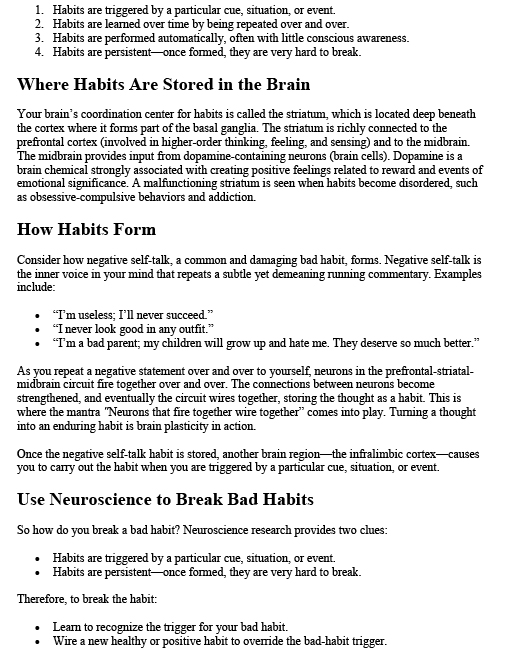
Most adults’ ‘heart age’ exceeds their actual age: U.S. CDC

Three out of four U.S. adults have a predicted “heart age” that is older than they are, putting them at increased risk for heart attacks and strokes, government researchers said on Tuesday.

“Your heart may be older than you are. For most adults in the United States, it is,” said Dr. Thomas Frieden, director of the U.S. Centers for Disease Control and Prevention, which released the first study to provide population-level estimates of heart age nationwide.

The CDC calculates heart age based on cardiovascular risk factors including smoking, hypertension, diabetes and obesity.

“It gives a simple risk calculation for having or dying of heart attack or stroke,” Frieden said.

For the report, CDC researchers gathered used risk factor data collected from every U.S. state as well as information from a large, ongoing heart study.

They found that nearly 69 million adults between the ages of 30 and
74 have a heart age older than their actual age.

The report also showed significant differences based on gender and other factors.

For example, the average heart age for adult men is 8 years older than their chronological age, compared to 5 years older for women.

The study found disparities between heart age and chronological age for all racial and ethnic groups, but they were highest among African- American men and women, whose heart age was 11 years older than their actual age for both genders.

The study also found geographical differences in average heart age, with individuals in the Southern United States having higher heart ages than other regions of the country.

States with the highest percentage of adults with a heart age 5 years or more older than their actual age included Mississippi, West Virginia, Kentucky, Louisiana and Alabama. Those with the lowest percentage of adults with heart ages that exceeded their actual age by more than
5 years included Utah, Colorado, California, Hawaii and Massachusetts.

Although individuals may be concerned to learn that their heart age was years older than their actual age, Frieden said the numbers can be improved by reducing one or two cardiovascular risk factors, such as stopping smoking or controlling high blood pressure.

“It is never too late to turn back the clock on your heart age, Frieden said.

(Reporting by Julie Steenhuysen; Editing by Bernard Orr)

http://www.reuters.com/article/2015/09/01/us-­‐usa-­‐health-­‐heart-­‐study-­‐
idUSKCN0R14DT20150901

Wellness Wednesday – Week 35

What Your Cholesterol Levels Mean

How’s your cholesterol? Time to get it checked!

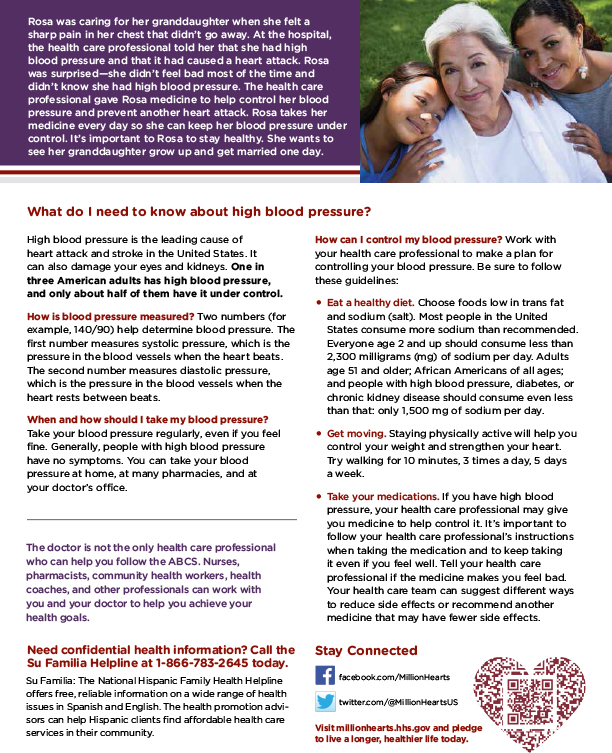
Keeping your cholesterol levels healthy is a great way to keep your heart healthy – and lower your chances of getting heart disease or having a stroke.    But first, you have to know your cholesterol numbers. The American Heart Association recommends all adults age 20 or older have their cholesterol, and other traditional risk factors, checked every four to six years.

Your test report will show your cholesterol levels in milligrams per deciliter of blood (mg/dL). Your total cholesterol and HDL (good) cholesterol are among numerous factors your doctor can use to predict your lifetime or 10-year risk for a heart attack or stroke.

To determine how your cholesterol levels affect your risk of heart disease, your doctor will also take into account other risk factors such as age, family history, smoking and high blood pressure.

A complete fasting lipoprotein profile will show the following for:

Total blood (or serum) cholesterol Your total cholesterol score is calculated using the following equation: HDL + LDL + 20 percent of your triglyceride level.

HDL (good) cholesterol With HDL cholesterol, higher levels are better. Low HDL cholesterol puts you at higher risk for heart disease. People with high blood triglycerides usually also have lower HDL cholesterol. Genetic factors, type 2 diabetes, smoking, being overweight and being sedentary can all result in lower HDL cholesterol.

LDL (bad) cholesterol A low LDL cholesterol level is considered good for your heart health. However, your LDL number should no longer be the main factor in guiding treatment to prevent heart attack and stroke, according to new guidelines from the American Heart Association. For patients taking statins, the guidelines say they no longer need to get LDL cholesterol levels down to a specific target number. A diet high in saturated and trans fats raises LDL cholesterol.

Triglycerides Triglyceride is the most common type of fat in the body. Normal triglyceride levels vary by age and sex. A high triglyceride level combined with low HDL cholesterol or high LDL cholesterol is associated with atherosclerosis, the buildup of fatty deposits in artery walls that increases the risk for heart attack and stroke.

AHA Recommendation We recommend that all adults age 20 or older have their cholesterol and other traditional risk factors checked every four to six years, and work with their healthcare providers to determine their risk for cardiovascular disease and stroke.

Source – http://www.heart.org/HEARTORG/Conditions/What-Your-Cholesterol-Levels-Mean_UCM_305562_Article.jsp

The Top 5 Cholesterol Myths

Even if you think you know everything there is to know about cholesterol, there may be a few more surprises in store. Check out these common myths about high cholesterol; find out whos most likely to have it, what types of food can cause it, and why—sometimes— cholesterol isn’t a bad word.

Myth 1: Americans have the highest cholesterol in the world
One of the world’s enduring stereotypes is the fat American with cholesterol-­‐clogged
arteries who is a Big Mac or two away from a heart attack. As a nation, we could certainly use some slimming down, but when it comes to cholesterol levels we are solidly middle-­‐of-­‐ the-­‐road.

According to 2005 World Health Organization statistics, American men rank 83rd in the world in average total cholesterol, and American women rank 81st; in both cases, the average number is 197 mg/dL, just below the Borderline-­‐High Risk category. That is very respectable compared to the top-­‐ranked countries: In Colombia the average cholesterol among men is a dangerous 244, while the women in Israel, Libya, Norway, and Uruguay are locked in a four-­‐way tie at 232.

Myth 2: Eggs are evil
It’s true that eggs have a lot of dietary cholesterol—upwards of 200 mg, which is more than
two-­‐thirds of the American Heart Association’s recommended limit of 300 mg a day. But dietary cholesterol isn’t nearly as dangerous as was once thought. Only some of the cholesterol in food ends up as cholesterol in your bloodstream, and if your dietary cholesterol intake rises, your body compensates by producing less cholesterol of its own.

While you don’t want to overdo it, eating an egg or two a few times a week isn’t dangerous.
In fact, eggs are an excellent source of protein and contain unsaturated fat, a so-­‐called good
fat.

Myth 3: Kids can’t have high cholesterol
Most people think high cholesterol is a problem that’s strictly for the middle-­‐aged. But guess what? Research has shown that atherosclerosis—the narrowing of the arteries that leads to heart attacks—can start as early as age eight. In July 2008, the American Academy of Pediatrics released guidelines on kids and cholesterol that recommended that children who are overweight, have hypertension, or have a family history of heart disease have their cholesterol tested as young as two years of age.

Children with high cholesterol should be on a diet that restricts saturated fat to 7% of
calories and no more than 200 mg per day of dietary cholesterol, according to the
guidelines. Fiber supplements and more exercise are also recommended.

While the guidelines prompted a bit of an outcry from parents worried that doctors would be pushing cholesterol-­‐lowering drugs for kids, a new study suggests that less than 1% of adolescents aged 12 to 17 would be considered candidates for medication.

Myth 4: Food is heart-­healthy if it says “0 mg cholesterol”
The Cholesterol portion of the nutritional label refers to dietary cholesterol, which is only one of the things found in food that can cause your cholesterol to go sky-­‐high. (A bigger contributor to elevated cholesterol? A high-­‐fat diet.) It’s also believed to be the least important. Saturated fat (found in animal foods and dairy products) and trans fats (found in packaged foods) appear to have a far greater impact on low-­‐density lipoprotein (LDL), the so-­‐called bad cholesterol that causes atherosclerosis, than dietary cholesterol.

Myth 5: Cholesterol is always a bad thing
When most people hear “cholesterol” they think “bad.” Like most things in life, the reality is more complex. High cholesterol can be dangerous, but cholesterol itself is essential to various bodily processes, from insulating nerve cells in the brain to providing structure for cell membranes. That’s why your body makes the white, waxy substance (about 75% of the cholesterol in your blood is made by the liver and cells elsewhere in your body).

The role of cholesterol in heart disease is often misunderstood. Cholesterol is carried through the bloodstream by low-­‐density and high-­‐density lipoproteins (LDL and HDL). LDL, known as bad cholesterol, and not the cholesterol it carries per se, is responsible for atherosclerosis.

http://www.health.com/health/condition-­‐article/0,,20259746_2,00.html