
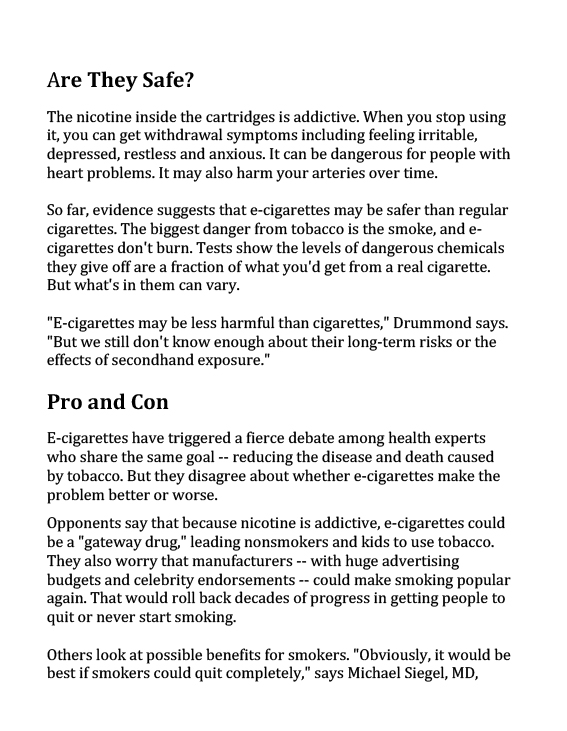
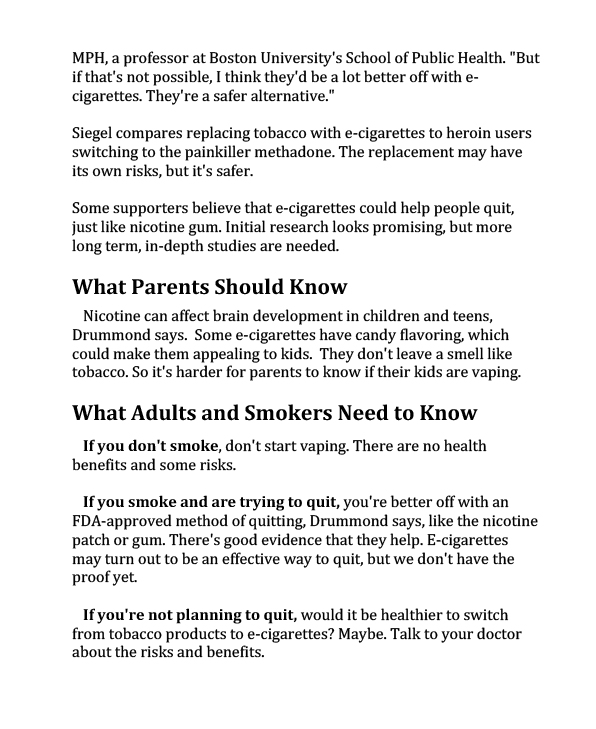

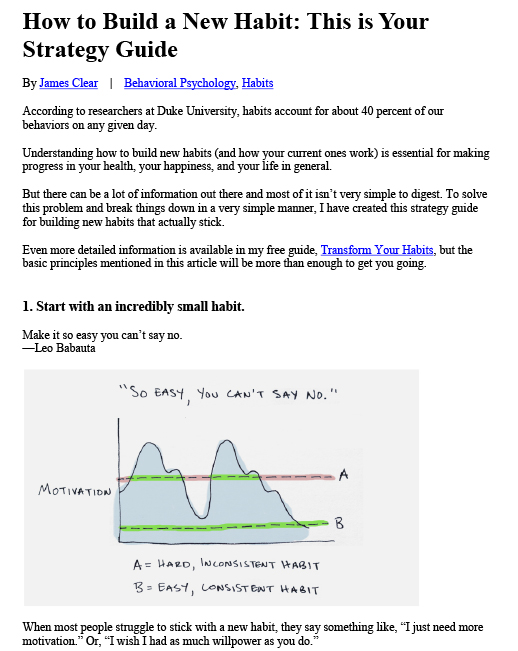

Sleep plays a vital role in good health and well-being throughout your life. Getting enough quality sleep at the right times can help protect your mental health, physical health, quality of life, and safety.
The way you feel while you’re awake depends in part on what happens while you’re sleeping. During sleep, your body is working to support healthy brain function and maintain your physical health. In children and teens, sleep also helps support growth and development.
The damage from sleep deficiency can occur in an instant (such as a car crash), or it can harm you over time. For example, ongoing sleep deficiency can raise your risk for some chronic health problems. It also can affect how well you think, react, work, learn, and get along with others.
Healthy Brain Function and Emotional Well-Being
Sleep helps your brain work properly. While you’re sleeping, your brain is preparing for the next day. It’s forming new pathways to help you learn and remember information.
Studies show that a good night’s sleep improves learning. Whether you’re learning math, how to play the piano, how to perfect your golf swing, or how to drive a car, sleep helps enhance your learning and problem-solving skills. Sleep also helps you pay attention, make decisions, and be creative.
Studies also show that sleep deficiency alters activity in some parts of the brain. If you’re sleep deficient, you may have trouble making decisions, solving problems, controlling your emotions and behavior, and coping with change. Sleep deficiency also has been linked to depression, suicide, and risk-taking behavior.
Children and teens who are sleep deficient may have problems getting along with others. They may feel angry and impulsive, have mood swings, feel sad or depressed, or lack motivation. They also may have problems paying attention, and they may get lower grades and feel stressed.
Physical Health
Sleep plays an important role in your physical health. For example, sleep is involved in healing and repair of your heart and blood vessels. Ongoing sleep deficiency is linked to an increased risk of heart disease, kidney disease, high blood pressure, diabetes, and stroke.
Sleep deficiency also increases the risk of obesity. For example, one study of teenagers showed that with each hour of sleep lost, the odds of becoming obese went up. Sleep deficiency increases the risk of obesity in other age groups as well.
Sleep helps maintain a healthy balance of the hormones that make you feel hungry (ghrelin) or full (leptin). When you don’t get enough sleep, your level of ghrelin goes up and your level of leptin goes down. This makes you feel hungrier than when you’re well-rested.
Sleep also affects how your body reacts to insulin, the hormone that controls your blood glucose (sugar) level. Sleep deficiency results in a higher than normal blood sugar level, which may increase your risk for diabetes.
Sleep also supports healthy growth and development. Deep sleep triggers the body to release the hormone that promotes normal growth in children and teens. This hormone also boosts muscle mass and helps repair cells and tissues in children, teens, and adults. Sleep also plays a role in puberty and fertility.
Your immune system relies on sleep to stay healthy. This system defends your body against foreign or harmful substances. Ongoing sleep deficiency can change the way in which your immune system responds. For example, if you’re sleep deficient, you may have trouble fighting common infections.
Daytime Performance and Safety
Getting enough quality sleep at the right times helps you function well throughout the day. People who are sleep deficient are less productive at work and school. They take longer to finish tasks, have a slower reaction time, and make more mistakes.
After several nights of losing sleep—even a loss of just 1–2 hours per night—your ability to function suffers as if you haven’t slept at all for a day or two.
Lack of sleep also may lead to microsleep. Microsleep refers to brief moments of sleep that occur when you’re normally awake.
You can’t control microsleep, and you might not be aware of it. For example, have you ever driven somewhere and then not remembered part of the trip? If so, you may have experienced microsleep.
Even if you’re not driving, microsleep can affect how you function. If you’re listening to a lecture, for example, you might miss some of the information or feel like you don’t understand the point. In reality, though, you may have slept through part of the lecture and not been aware of it.
Some people aren’t aware of the risks of sleep deficiency. In fact, they may not even realize that they’re sleep deficient. Even with limited or poor-quality sleep, they may still think that they can function well.
For example, drowsy drivers may feel capable of driving. Yet, studies show that sleep deficiency harms your driving ability as much as, or more than, being drunk. It’s estimated that driver sleepiness is a factor in about 100,000 car accidents each year, resulting in about 1,500 deaths.
Drivers aren’t the only ones affected by sleep deficiency. It can affect people in all lines of work, including health care workers, pilots, students, lawyers, mechanics, and assembly line workers.
As a result, sleep deficiency is not only harmful on a personal level, but it also can cause large-scale damage. For example, sleep deficiency has played a role in human errors linked to tragic accidents, such as nuclear reactor meltdowns, grounding of large ships, and aviation accidents.
http://www.nhlbi.nih.gov/health/health-topics/topics/sdd/why
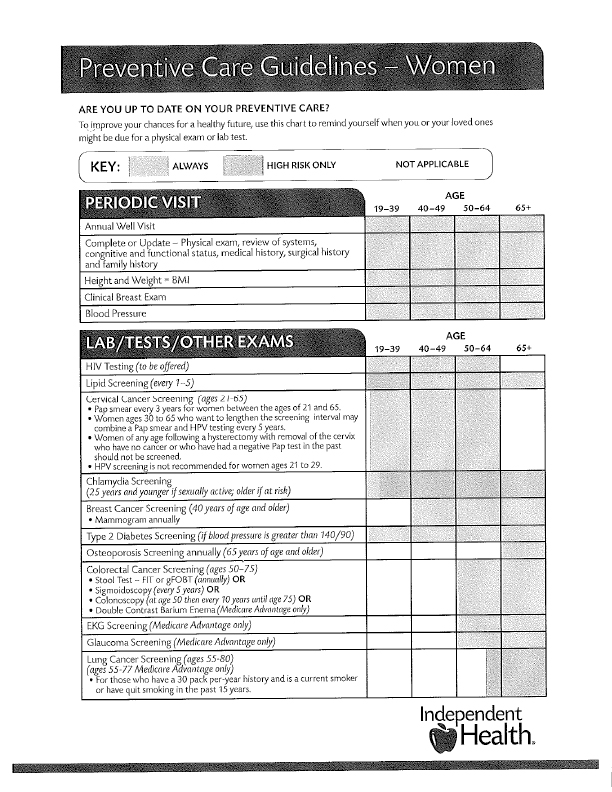
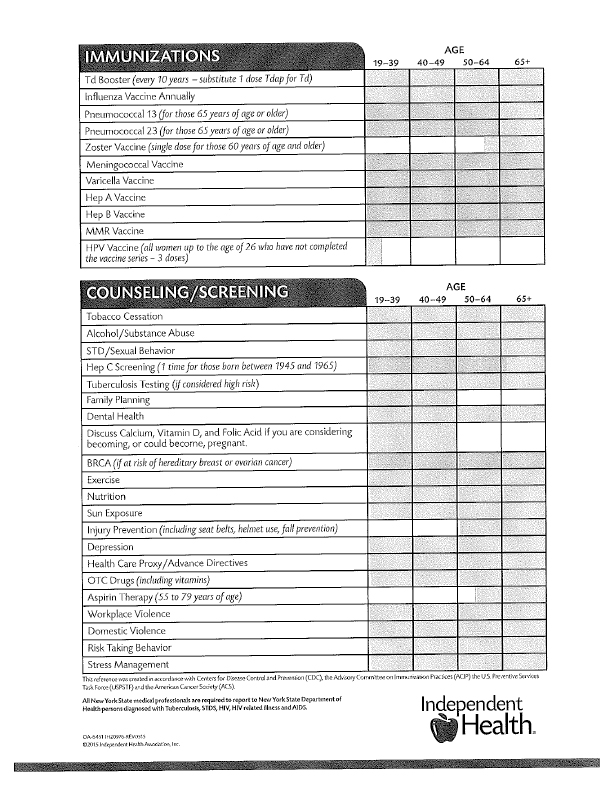
You’re feeling pretty lousy. You’ve got sniffles, sneezing, and a sore throat. Is it a cold, flu, or allergies? It can be hard to tell them apart because they share so many symptoms. But understanding the differences will help you choose the best treatment.
“If you know what you have, you won’t take medications that you don’t need, that aren’t effective, or that might even make your symptoms worse,” says NIH’s Dr. Teresa Hauguel, an expert on infectious diseases that
affect breathing.
Cold, flu, and allergy all affect your respiratory system, which can make it hard to breathe. Each condition has key symptoms that set them apart.
Colds and flu are caused by different viruses. “As a rule of thumb, the symptoms associated with the flu are more severe,” says Hauguel. Both illnesses can lead to a runny, stuffy nose; congestion; cough; and sore throat. But the flu can also cause high fever that lasts for 3-4 days, along with a headache, fatigue, and general aches and pain. These symptoms are less common when you have a cold.
“Allergies are a little different, because they aren’t caused by a virus,” Hauguel explains. “Instead, it’s your body’s immune system reacting to a trigger, or allergen, which is something you’re allergic to.” If you have allergies and breathe in things like pollen or pet dander, the immune cells in your nose and airways may overreact to these harmless substances. Your delicate respiratory tissues may then swell, and your nose may become stuffed up or runny.
“Allergies can also cause itchy, watery eyes, which you don’t normally have with a cold or flu,” Hauguel adds.
Allergy symptoms usually last as long as you’re exposed to the allergen, which may be about 6 weeks during pollen seasons in the spring, summer, or fall. Colds and flu rarely last beyond 2 weeks.
Most people with a cold or flu recover on their own without medical care. But check with a health care provider if symptoms last beyond 10 days or if symptoms aren’t relieved by over-the-counter medicines. For more about when to see a doctor, go to CDC’s Flu Page .
To treat colds or flu, get plenty of rest and drink lots of fluids. If you have the flu, pain relievers such as aspirin, acetaminophen, or ibuprofen can reduce fever or aches. Allergies can be treated with antihistamines or decongestants. See the “Wise Choices” box for more details.
Be careful to avoid “drug overlap” when taking medicines that list 2 or more active ingredients on the label. For example, if you take 2 different drugs that contain acetaminophen—one for a stuffy nose and the other for headache—you may be getting too much acetaminophen.
“Read medicine labels carefully—the warnings, side effects, dosages. If you have questions, talk to your doctor or pharmacist, especially if you have children who are sick,” Hauguel says. “You don’t want to overmedicate, and you don’t want to risk taking a medication that may interact with another.”
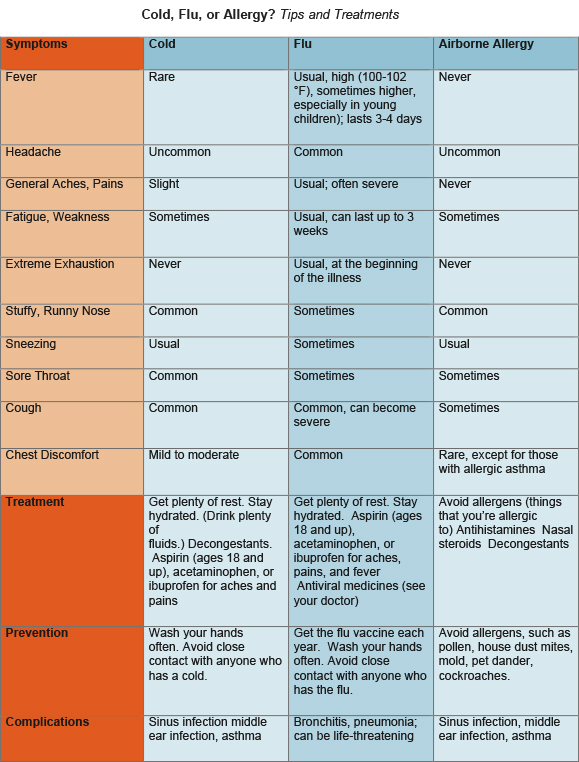
According to an article from the Cancer Treatment Centers of America, roughly 71,500 women in the United States are diagnosed with gynecologic cancer each year. The risk of cancer increases with age. Endometrial/uterine cancer affects more than 52,000 women annually in the United States.
Cervical cancer tends to occur in midlife. Most cases are found in women under the age of 50, and it is linked to human papilloma viruses.
Endometrial cancer is rare for women under the age of 45; most cases are found in women over 50.
Ovarian cancer affects up to 5% of women who have it in their family histories. It has the highest mortality of the gynecologic cancers, killing more than 14,000 women annually in the United States.
Take Preventive Action
Make healthy choices for yourself! Eat a well-balanced diet; maintain an active lifestyle; quit or avoid smoking; maintain a healthy weight; and follow safe sex practices.
Pay attention to your body. Some common warning signs for ovarian cancer are abdominal bloating; indigestion or nausea; changes in appetite; feeling pressure in the pelvis or lower back; changes in bowel movements; increased abdominal girth, and feeling tired or having low energy.
Make time for an annual physical. Educate yourself on your health history and your family’s health history. Having close relatives on either side of the family who have had ovarian cancer increases a woman’s chance of developing ovarian cancer.
Eat Healthy
Reduce your risk for cancer by improving your diet. New research shows that as many as one-third of all cancer deaths are linked to diet and physical activity.
You have the power to change your eating habits.
Start by reducing dietary fat intake, especially animal fat. Make your diet rich in fruits, vegetables, nuts, beans, and whole grains.
Start small
No one can overhaul food habits quickly. Add a few servings of fruits and vegetables to your diet each day to reduce your cancer risk. Mix some dark, leafy greens like spinach in with your salad. Eat a peach, or other brightly colored fruit, for a snack.
Limit alcohol
Alcohol consumption is linked to increased risk of mouth, esophagus, pharynx, larynx, liver, and breast cancers. If you drink alcohol, men should try to drink no more than two drinks a day, and women should try to drink no more than one drink a day.
Eat less red meat and cut out processed meat
Eating too much red meat can increase your cancer risk. Skip processed meats such as bacon, ham, pastrami, salami, sausage, hot dogs, and pepperoni. Choose fish, poultry or beans instead of beef, pork or lamb. When you eat meat, choose lean cuts, and eat smaller portions. Prepare meat by baking, broiling or poaching at lower temperatures, rather than by frying in fat or broiling/grilling at excessively high temperatures.
Resource: http://preventcancer.org/prevention/reduce-cancer-risk/ways-to-reduce-risk/eat-healthy/
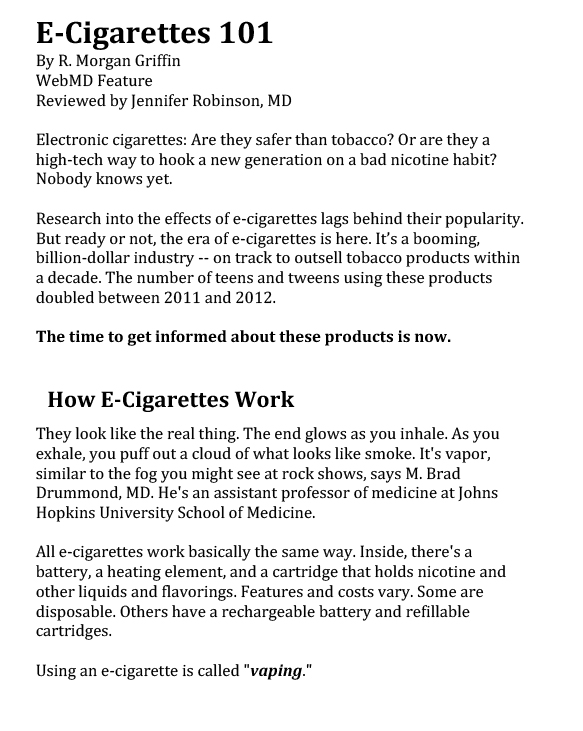
Did you know that regularly taking over-the-counter (OTC) pain relievers for minor aches and pains can come with an unexpected consequence?
Yoga Journal reported about a Harvard University research on women who took ibuprofen four to five times a week. These women ended up having a 21% greater risk for hearing loss over a 14-year period compared to women who averaged taking ibuprofen less than once a week! The researchers suspect that the ibuprofen restricts blood flow to the cochlea. Next time you get a headache, muscle ache or joint pain, Yoga Journal suggests you try a natural remedy:
Headache
(Leg-up-on-the-wall). Lie on your back and lift your legs to a 90-degree angle, resting your legs flush against a wall. Spending 5-10 minutes in this position will release the tight neck muscles that can trigger a tension headache!
Muscle Aches
Try sniffing rosemary oil. A study suggests sniffing rosemary eases muscle soreness by decreasing stress hormones that can cause you to tense up. Sniff rosemary essential oil for 5 minutes, or brew some rosemary tea and inhale the aroma before each sip!
Joint Pain
Try aloe vera juice. Sipping a few ounces of aloe vera juice has been shown to reduce joint-tissue inflammation. Drinking aloe vera juice may also boost the powers of OTC meds, so if you do take pills, you may may get relief with a smaller dose.
Drink plenty of water! You’ve probably heard this a hundred times, but there’s a reason for it. Your body uses water in almost every function, including the process of burning fat. Water helps every cell and organ in your body work. Water cushions your joints, and it helps keep your body cool. Water helps flush toxins out of your system and rehydrates the body. Carry a water bottle and hydrate all day long. In general, you should try to drink between half an ounce and an ounce of water for each pound you weigh, every day. For example, if you weigh 150 pounds, that would be 75 to 150 ounces of water a day.

