






Traveling almost always means eating on the road or in the air. And that can mean making some nutritional sacrifices. But when the only option for lunch is a random gas station, it doesn’t have to mean that a balanced meal is completely off the table. In fact, it’s possible to find nutritious food options at airports, bodegas, fast food restaurants, and yes, even gas stations.
A few basic guidelines can help you stay on track: Go crazy with the veggies whenever possible. Try to achieve a stay-full-longer balance of protein and fiber. And keep an eye on portion sizes, especially at sit-down restaurants. Still need some guidance? Here are my favorite picks to have a healthy meal wherever you are.
Fast Food – With even the major hamburger chains selling decent veggie burgers and salads these days, it’s easier than ever to find reasonably nutritious fast food. My favorite combo: a small, no-frills burger or chicken sandwich with veggie toppings like lettuce, tomato, and pickles, plus a side salad. At joints like Taco Bell, I’ll go for a bean-and-cheese burrito, and at places like Panda Express I’ll get a rice bowl with veggies and chicken. These choices have a good combination of protein and fiber to keep you full longer.
Bodegas – Most bodegas have deli counters and can make surprisingly well- balanced sandwiches. While you may not be able to find whole-grain bread everywhere, you can generally get a full serving of veggies — just ask for a nice big handful of lettuce and tomato, plus any pickles or other vegetable toppings that look good to you. And if they don’t pile the meat and cheese too high (two to three thin deli slices and one piece of cheese is typically enough to satisfy), you won’t be OD’ing on sodium. If the best option is a baguette or long roll, I aim for about a 6- inch sandwich.
Gas Stations – While it can still sometimes be tough to find anything resembling a fruit or vegetable at some gas stations, increasing numbers of them have refrigerator cases stocked with fresh food, including some halfway decent salads. On a recent road trip, I assembled a surprisingly satisfying, high-fiber lunch from a gas station, including a single-serving hummus-and-pretzel cup, a fruit salad cup, and some not-overly-processed beef jerky. Other gas stations have nice selections of dried fruit, jarred salsa, and high-fiber multigrain chips — not to mention the usual standbys of nuts, trail mix, and granola bars.
Grocery Stores – Compared to some of the other places on this list, grocery stores are a piece of cake. Many have prepared food buffets, where you can find a variety of raw and cooked veggies, meat and vegetarian protein options, and grain-based salads. A good rule of thumb for portioning at these buffets: Fill half the container with veggies, then top with a serving of protein about the size of your palm, and a serving of grain/starch about the size of your fist. If your grocery store only has a deli counter, you can apply the same guidelines as you would in a bodega: a pile of veggies, and a few slices of meat and cheese. I also love a DIY picnic — try fresh-baked bread, a nice piece of cheese, some easy-to- eat fruit, and cut veggies with salsa or hummus for dipping.
Pharmacies – Like gas stations, many of the major pharmacy chains now also have refrigerator cases selling sandwiches and salads. Look for a balance of protein, veggies, and starch (say, for example, a salad with chicken, a colorful mix of greens and tomatoes, and a handful of croutons). If it’s breakfast time you can usually find yogurt, a fruit-and-nut bar, or a smoothie. Even pharmacies that don’t have refrigerator cases will usually still have a small grocery section where you can find nuts and other snacks as you would in gas stations and bodegas, but one unique thing about pharmacies is the nutritional supplement shakes, which are great for breakfast or a snack in a pinch. I stick to the varieties sweetened
with sugar instead of artificial sweeteners, which have been shown to alter the normal makeup of the intestinal microbiome. It’s best to keep your daily consumption of added sugars under about 25-30g, but these shakes can fit in nicely if you think of them as your main sweet treat for the day.
Fast-Casual Restaurants – Many of these types of restaurants serve portions big enough for two to three meals, and if you’re not supremely attuned to your hunger and fullness cues, it can be pretty overwhelming. But here’s an easy trick to get a good serving size for one meal: Ask for an extra plate, and serve yourself a portion of starch that’s about the size of your fist, a portion of veggies that’s twice that size, and a portion of protein that’s about the size of your palm.
Eat that extra-plate meal first, taking breaks to talk with your tablemates and sip some water, and then see how you feel. If you’re satisfied, box up the leftovers to take home; if not, serve yourself a second, smaller portion and then check in with your fullness again.
By Christy Harrison, MHP, RD, CDN
https://www.yahoo.com/food/healthy-meals-that-are-totally-unexpected-120747582.html
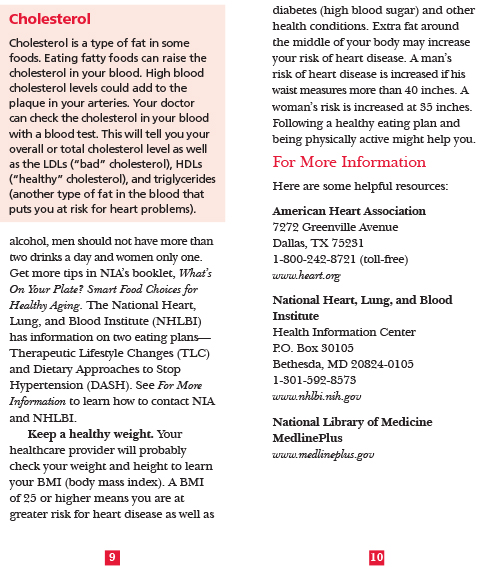
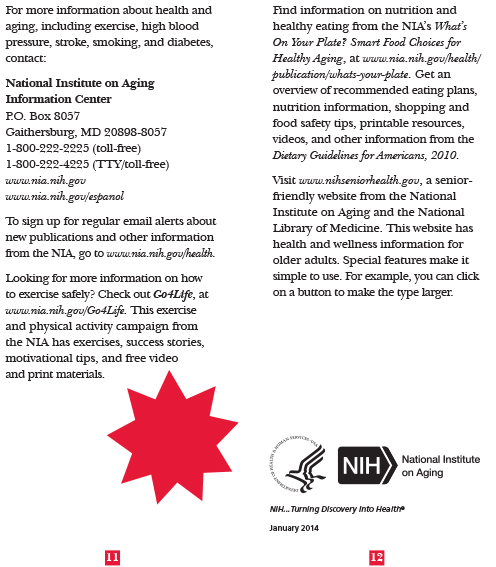
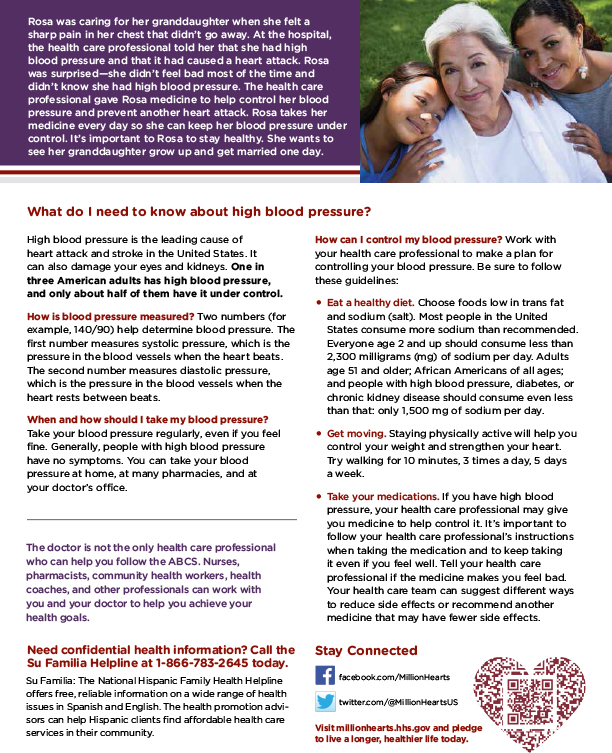
Everyone is telling you which foods are good for you. Stop listening! Here are six seemingly healthy eating tips that the science just doesn’t back up.
False Tip: Fresh fruit is better than frozen.
The Truth: Food manufacturers freeze fruit at their peak of freshness in order to preserve its quality and nutritional value. Freezing fruit is a great way to preserve it if you bought a little too much or it’s on sale. Frozen fruit is very convenient, especially when you’re super-busy with work and family, plus it lasts longer than fresh. Fresh isn’t necessarily better than frozen, and both count toward your daily recommended amount of fruit.
False Tip: Fresh vegetables are healthier than canned.
The Truth: If you think canned is the bad guy, think again. This means of preservation has been around for about 200 years. Yes, canned vegetables can have loads of salt, but you can now find many with no added salt. Additionally, canned vegetables will still retain much of their vitamins, even when stored for several months, which is a clear advantage over fresh.
False Tip: Multigrain bread is always the healthiest choice.
The Truth: Multigrain just means the bread is made from several grains — that doesn’t mean they’re whole grains, which are more plentiful in nutrients. According to the Dietary Guidelines for Americans, you want to make half your grains whole — so the next time you pick up a loaf of bread, make sure the grains named in the ingredient list include the word “whole,” such as whole rye and whole wheat.
False Tip: Bottled water is better than tap water.
The Truth: According to an investigation conducted by the Environmental Working Group, a variety of contaminants were found in tested brands of bottled water. Further, bottled water does have a larger carbon footprint than tap water, and doesn’t contain the nutrients found in tap water (such as fluoride). This may be a good excuse to purchase a few reusable water containers you can fill with tap water.
False Tip: Coconut oil is the only oil you should use.
The Truth: Advocates of coconut oil believe that its medium-chain triglycerides make it super healthy. However, several types of fat found in coconut oil, including palmitic, myristic and lauric acids, have been found to raise both your bad (LDL) and good (HDL) cholesterol as well as total cholesterol. Although the debate continues, your best bet is to include coconut oil in your healthy-oil repertoire along with other healthy oils, like sesame, olive, peanut and safflower.
False Tip: There are only a handful of superfoods.
The Truth: Although many believe that exotic-sounding foods like acai, chia seed and goji berries are the healthiest of all foods, that’s not the case. Your body needs a variety of food groups in order to get all the nutrients you need to stay healthy. Therefore, wholesome foods like Greek yogurt, almonds, pears, broccoli, barley, eggs and avocado also achieve super status.
https://www.yahoo.com/food/6-healthy-eating-tips-that-arent-true-122032158.html
Spring is a time for renewal, warmth, and growth. Some of us are still battling feelings of fatigue from the start of seasonal allergies and/or the lingering remnants of the flu season. Some of us may be feeling heavier this time of year from the holiday feasts enjoyed with family and friends. All in all, April represents readiness for change in weather and change in all of us.
A common herb called turmeric has potent healing properties. According to a 2014 meta-study in the journal Biotechnology Advances, there are more than 6,000 articles on turmeric’s antioxidant, anti-inflammatory, anti-bacterial, anti-viral, and anti-cancer properties. Turmeric has an orange coloring and has several uses to combat colds and fatigue.
According to an article in Yoga Journal, take a cup of morning tea using ¼ teaspoon of ginger and ¼ teaspoon of turmeric. This will wake up your digestive system and take care of aches and pains from flu or arthritis. Turmeric is also effective at drying mucus and soothing irritation associated with allergies and colds. To tackle the sniffles, take ½ teaspoon of turmeric powder with equal part of raw honey to help clear phlegm, three times a day.
Use turmeric every day and sprinkle on your vegetables for extra flavor and good health. The recipe below I have tried for something different to serve for dinner. I serve it over a bed of brown short-grain rice.
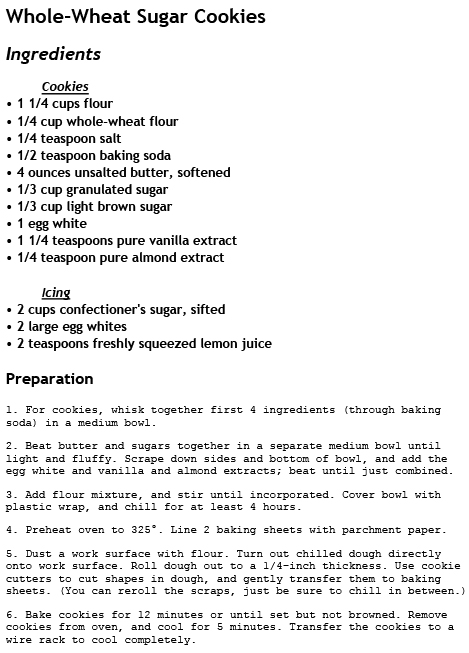
Cauliflower Steaks with Ginger, Turmeric, and Cumin (recipe from The Kitchen)
Serves 3
Remove the leaves and trim the stem end of the cauliflower, leaving the core intact. Using a large knife, cut the cauliflower from top to base into three, 3/4-inch-thick “steaks.” Season each steak with salt and pepper on both sides. (Reserve any loose florets for another use.)
Heat 1 tablespoon of olive oil in a large skillet over medium-high heat. Sear the cauliflower steaks until golden brown, about 2 minutes on each side. Gently transfer the steaks to a baking sheet.
Whisk together the remaining 1 tablespoon of olive oil, ginger, cumin, and turmeric. Brush or spoon the mixture onto the cauliflower steaks.
Roast in the oven until tender, about 15 minutes. Garnish with cilantro and serve.
You may think it’s contrary to your goals to put more calories into your system when you’re sweating it out to burn them off, but exercise is the time your body most needs fuel. Trying to exercise without energy in your system is like trying to coax your car to run when it’s out of gas; you may be able to coast a bit (if you are faced downhill), but you certainly won’t get any power. If you deprive your body of the nutrients it needs to repair and refuel post-workout, you may find that your body does not perform the way you want it the next time you head to the gym. Although some exceptions exist, you are best off eating a healthy snack before and after your workout in order to lose weight.
Before a workout – a real sweat-inducing workout that lasts 45 minutes or longer, not a 20-minute stroll around the block – you need energy, preferably in the form of carbohydrates to get you moving. Carbs are the primary fuel source for the body. Without them, your body doesn’t suddenly start burning a whole lot of fat; instead, it turns to burning lean muscle. A meta analysis published in the “Journal of Strength and Conditioning Research” in February 2011 examined multiple studies on the topic of exercising in a unfed state. The analysis concluded that you will burn about the same amount of fat whether you eat before or after exercising. However, if you don’t eat, your body is more likely to burn muscle in addition to fat, and your intensity and total calorie burn will reduced. Regularly burning off muscle can lower your metabolism and make it harder to lose weight. Having a snack doesn’t have to be huge – 100 to 200 calories will do. Aim for food that is mostly carbohydrates with a little high-quality protein, especially if you plan to do cardio. Some examples are half of a whole-wheat bagel topped with a tablespoon of peanut butter; a banana with some low-fat yogurt; or a few almonds and an apple.
For more information on this article, visit: http://www.livestrong.com/article/399834-is-it-better-to-eat-before-or-after-a-workout-to-lose-weight/
How many calories does physical activity use?
A 154-pound man (5′ 10″) will use up about the number of calories listed doing each activity below. Those who weigh more will use more calories, and those who weigh less will use fewer. The calorie values listed include both calories used by the activity and the calories used for normal body functioning.

 TRC STARS/SAFER