Wellness Wednesday – Week 35

What Your Cholesterol Levels Mean

How’s your cholesterol? Time to get it checked!

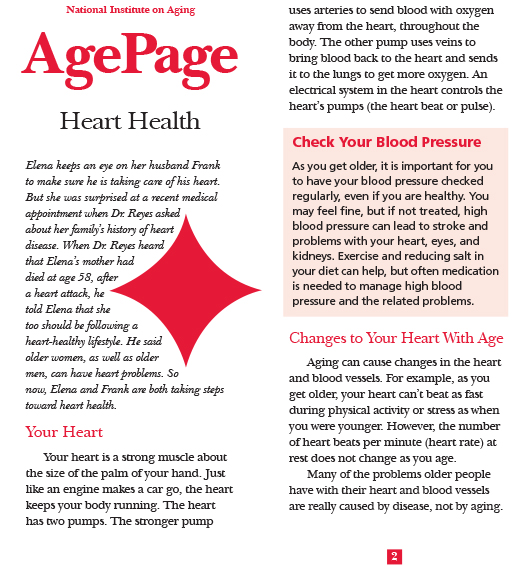
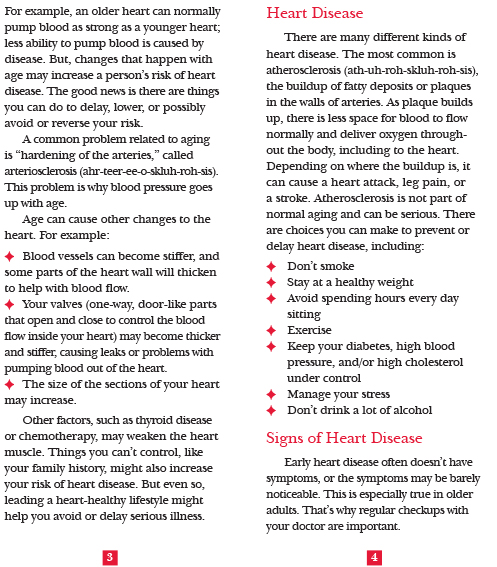
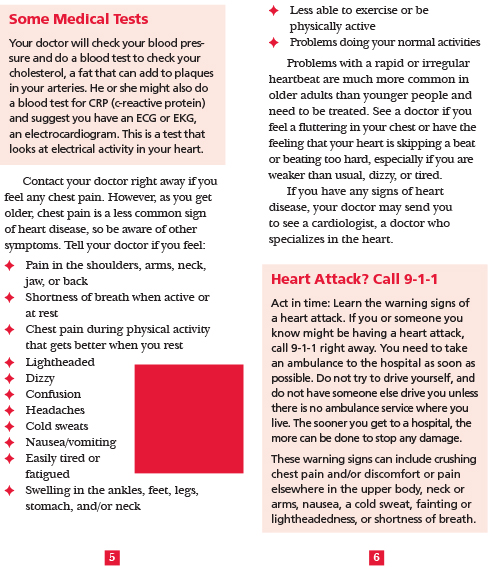
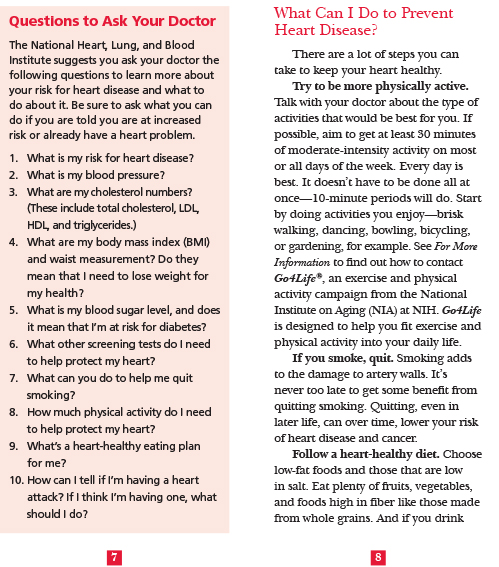
Keeping your cholesterol levels healthy is a great way to keep your heart healthy – and lower your chances of getting heart disease or having a stroke.    But first, you have to know your cholesterol numbers. The American Heart Association recommends all adults age 20 or older have their cholesterol, and other traditional risk factors, checked every four to six years.

Your test report will show your cholesterol levels in milligrams per deciliter of blood (mg/dL). Your total cholesterol and HDL (good) cholesterol are among numerous factors your doctor can use to predict your lifetime or 10-year risk for a heart attack or stroke.

To determine how your cholesterol levels affect your risk of heart disease, your doctor will also take into account other risk factors such as age, family history, smoking and high blood pressure.

A complete fasting lipoprotein profile will show the following for:

Total blood (or serum) cholesterol Your total cholesterol score is calculated using the following equation: HDL + LDL + 20 percent of your triglyceride level.

HDL (good) cholesterol With HDL cholesterol, higher levels are better. Low HDL cholesterol puts you at higher risk for heart disease. People with high blood triglycerides usually also have lower HDL cholesterol. Genetic factors, type 2 diabetes, smoking, being overweight and being sedentary can all result in lower HDL cholesterol.

LDL (bad) cholesterol A low LDL cholesterol level is considered good for your heart health. However, your LDL number should no longer be the main factor in guiding treatment to prevent heart attack and stroke, according to new guidelines from the American Heart Association. For patients taking statins, the guidelines say they no longer need to get LDL cholesterol levels down to a specific target number. A diet high in saturated and trans fats raises LDL cholesterol.

Triglycerides Triglyceride is the most common type of fat in the body. Normal triglyceride levels vary by age and sex. A high triglyceride level combined with low HDL cholesterol or high LDL cholesterol is associated with atherosclerosis, the buildup of fatty deposits in artery walls that increases the risk for heart attack and stroke.

AHA Recommendation We recommend that all adults age 20 or older have their cholesterol and other traditional risk factors checked every four to six years, and work with their healthcare providers to determine their risk for cardiovascular disease and stroke.

Source – http://www.heart.org/HEARTORG/Conditions/What-Your-Cholesterol-Levels-Mean_UCM_305562_Article.jsp

The Top 5 Cholesterol Myths

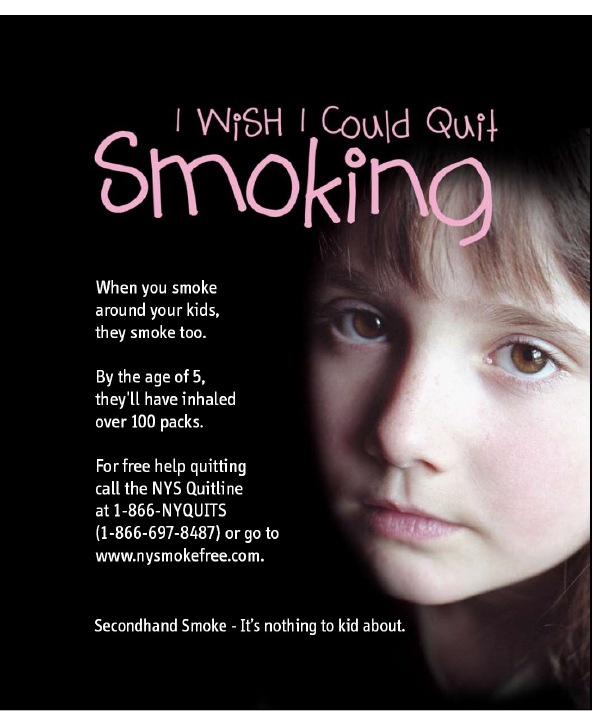
Even if you think you know everything there is to know about cholesterol, there may be a few more surprises in store. Check out these common myths about high cholesterol; find out whos most likely to have it, what types of food can cause it, and why—sometimes— cholesterol isn’t a bad word.

Myth 1: Americans have the highest cholesterol in the world
One of the world’s enduring stereotypes is the fat American with cholesterol-­‐clogged
arteries who is a Big Mac or two away from a heart attack. As a nation, we could certainly use some slimming down, but when it comes to cholesterol levels we are solidly middle-­‐of-­‐ the-­‐road.

According to 2005 World Health Organization statistics, American men rank 83rd in the world in average total cholesterol, and American women rank 81st; in both cases, the average number is 197 mg/dL, just below the Borderline-­‐High Risk category. That is very respectable compared to the top-­‐ranked countries: In Colombia the average cholesterol among men is a dangerous 244, while the women in Israel, Libya, Norway, and Uruguay are locked in a four-­‐way tie at 232.

Myth 2: Eggs are evil
It’s true that eggs have a lot of dietary cholesterol—upwards of 200 mg, which is more than
two-­‐thirds of the American Heart Association’s recommended limit of 300 mg a day. But dietary cholesterol isn’t nearly as dangerous as was once thought. Only some of the cholesterol in food ends up as cholesterol in your bloodstream, and if your dietary cholesterol intake rises, your body compensates by producing less cholesterol of its own.

While you don’t want to overdo it, eating an egg or two a few times a week isn’t dangerous.
In fact, eggs are an excellent source of protein and contain unsaturated fat, a so-­‐called good
fat.

Myth 3: Kids can’t have high cholesterol
Most people think high cholesterol is a problem that’s strictly for the middle-­‐aged. But guess what? Research has shown that atherosclerosis—the narrowing of the arteries that leads to heart attacks—can start as early as age eight. In July 2008, the American Academy of Pediatrics released guidelines on kids and cholesterol that recommended that children who are overweight, have hypertension, or have a family history of heart disease have their cholesterol tested as young as two years of age.

Children with high cholesterol should be on a diet that restricts saturated fat to 7% of
calories and no more than 200 mg per day of dietary cholesterol, according to the
guidelines. Fiber supplements and more exercise are also recommended.

While the guidelines prompted a bit of an outcry from parents worried that doctors would be pushing cholesterol-­‐lowering drugs for kids, a new study suggests that less than 1% of adolescents aged 12 to 17 would be considered candidates for medication.

Myth 4: Food is heart-­healthy if it says “0 mg cholesterol”
The Cholesterol portion of the nutritional label refers to dietary cholesterol, which is only one of the things found in food that can cause your cholesterol to go sky-­‐high. (A bigger contributor to elevated cholesterol? A high-­‐fat diet.) It’s also believed to be the least important. Saturated fat (found in animal foods and dairy products) and trans fats (found in packaged foods) appear to have a far greater impact on low-­‐density lipoprotein (LDL), the so-­‐called bad cholesterol that causes atherosclerosis, than dietary cholesterol.

Myth 5: Cholesterol is always a bad thing
When most people hear “cholesterol” they think “bad.” Like most things in life, the reality is more complex. High cholesterol can be dangerous, but cholesterol itself is essential to various bodily processes, from insulating nerve cells in the brain to providing structure for cell membranes. That’s why your body makes the white, waxy substance (about 75% of the cholesterol in your blood is made by the liver and cells elsewhere in your body).

The role of cholesterol in heart disease is often misunderstood. Cholesterol is carried through the bloodstream by low-­‐density and high-­‐density lipoproteins (LDL and HDL). LDL, known as bad cholesterol, and not the cholesterol it carries per se, is responsible for atherosclerosis.

http://www.health.com/health/condition-­‐article/0,,20259746_2,00.html

Wellness Wednesday – Week 23

A Healthly Selfie!

11535803_10204522900928658_2672719656911963852_n

On June 11, 2015, the Obama Administration launched the “Healthy Self” campaign that represents a joint effort between the White House, the Department of Health and Human Services (HHS), including the Surgeon General, to promote healthy living (see http://www.hhs.gov/blog/2015/06/11/invest-your-healthy-self.html).

The Resource Center is committed to sharing information about community events throughout the year to educate employees about preventive actions they can take to stay healthy and well. That includes healthy eating, leading a tobacco-free and drug-free lifestyle, taking care of emotional and mental well-being, and of course – taking advantage of TRC’s offerings aimed at improving your health.

Commit to making your health a priority and join the Healthy Self campaign today, by posting a “Healthy Selfie” on social media.  It could be a shot of you working out; choosing a salad or fruit over less healthy options; bypassing the elevators to take the stairs; or heading into the doctor’s office for a checkup.  Take a selfie of anything that conveys your commitment to your healthy self, and that may motivate your friends and co-workers to follow your lead.

We all deserve to live healthy, secure lives – not just for ourselves, but for our families and loved ones as well.  Spread the word on the Healthy Self campaign, post a Healthy Selfie, and invest in your own health and well-being.  It’s an investment we can all afford to make!

For all TRC employees:  If you post a Healthy Selfie to The Resource Center’s Facebook page (or your own Facebook page), you will be entered into a drawing in which 5 individuals to receive a healthy lunch delivered to their work site.

The drawing will be held the end of June, so post your Healthy Selfie.  Send Tess (tess.kerzner@resourcecenter.org) a link to your post or a copy of your post!  The above picture is Tess’ Selfie that she posted.  Tess has committed to walking her dog, Isaac, every day for her own health and for his!  What about you?

Wellness Wednesday – Week 18

Are you at risk for Gynecologic Cancer?

According to an article from the Cancer Treatment Centers of America, roughly 71,500 women in the United States are diagnosed with gynecologic cancer each year.  The risk of cancer increases with age.  Endometrial/uterine cancer affects more than 52,000 women annually in the United States.

Cervical cancer tends to occur in midlife.  Most cases are found in women under the age of 50, and it is linked to human papilloma viruses.

Endometrial cancer is rare for women under the age of 45; most cases are found in women over 50.

Ovarian cancer affects up to 5% of women who have it in their family histories.  It has the highest mortality of the gynecologic cancers, killing more than 14,000 women annually in the United States.

Take Preventive Action

Make healthy choices for yourself!  Eat a well-balanced diet; maintain an active lifestyle; quit or avoid smoking; maintain a healthy weight; and follow safe sex practices.

Pay attention to your body.  Some common warning signs for ovarian cancer are abdominal bloating; indigestion or nausea; changes in appetite; feeling pressure in the pelvis or lower back; changes in bowel movements; increased abdominal girth, and feeling tired or having low energy.

Make time for an annual physical.  Educate yourself on your health history and your family’s health history.  Having close relatives on either side of the family who have had ovarian cancer increases a woman’s chance of developing ovarian cancer.

Eat Healthy
Reduce your risk for cancer by improving your diet.  New research shows that as many as one-third of all cancer deaths are linked to diet and physical activity.

You have the power to change your eating habits.
Start by reducing dietary fat intake, especially animal fat.  Make your diet rich in fruits, vegetables, nuts, beans, and whole grains.

Start small
No one can overhaul food habits quickly.  Add a few servings of fruits and vegetables to your diet each day to reduce your cancer risk.  Mix some dark, leafy greens like spinach in with your salad.  Eat a peach, or other brightly colored fruit, for a snack.

Limit alcohol
Alcohol consumption is linked to increased risk of mouth, esophagus, pharynx, larynx, liver, and breast cancers.  If you drink alcohol, men should try to drink no more than two drinks a day, and women should try to drink no more than one drink a day.

Eat less red meat and cut out processed meat
Eating too much red meat can increase your cancer risk.  Skip processed meats such as bacon, ham, pastrami, salami, sausage, hot dogs, and pepperoni.  Choose fish, poultry or beans instead of beef, pork or lamb.  When you eat meat, choose lean cuts, and eat smaller portions.  Prepare meat by baking, broiling or poaching at lower temperatures, rather than by frying in fat or broiling/grilling at excessively high temperatures.

Resource: http://preventcancer.org/prevention/reduce-cancer-risk/ways-to-reduce-risk/eat-healthy/

Wellness Wednesday – Week 17

Learn About the Safer Choice Label

EPA-Environmental Protection Agency reports a new label:

Time for Spring Cleaning?  Check out the new label for environmental safety factors for you, your home, and family.

LOOK FOR THE SAFER CHOICE LABEL.

safe choice

Finding cleaning and other products that are safer for you, your family, and the environment should be easy — that’s why the EPA developed a new “Safer Choice” label. All of us play a role in protecting our families’ health and the environment. Products with the Safer Choice label help consumers and commercial buyers identify and select products with safer chemical ingredients, without sacrificing quality or performance.

More than 2,000 products currently qualify to carry the Safer Choice label. Safer Choice products are available for your home at retail stores and for use in businesses like schools, hotels, offices, and sports venues.

For more information on products available go to :  http://www2.epa.gov/saferchoice

Wellness Wednesday – Week 3

Green your Environment (information courtesy of Alpha Botanical, Inc.)

Do you know that NASA research proves that houseplants remove toxins from the air?  It is known by some that Indoor Plants are our greatest weapon against indoor pollutants.  Plants remove harmful gases from the air you breathe and make your office visually appealing.

To clean the air in your office, NASA studies recommend having one plant for every 100 square feet of space.  One plant that may work well in your office is Cat Palm, which needs low light and temperatures between 62-80 degrees. Another plant you may like is the Split-Leaf Philodendron, which requires medium light and ideal temperature about 62-80 degrees.

Alpha Botanical’s goals are to:
•    Educate on the best way to care for house plants
•    Reduce the fear that comes with trying to keep plants alive
•    Educate on the best way to fight against Sick Building Syndrome (SBS)
•    Help you create a better environment for yourself and your family.

Visit www.alphabotanical.com for more plants to choose from and more information about cleaning the air in your office!

green office