
Author: The Resource Center
Wellness Wednesday – Volume 2 – Week 38
Wellness Wednesday – Volume 2 – Week 37
TIS THE SEASON OF……..…….APPLES!!!!!!!!!!!!!!!!!!!!!!!!!!!!
McIntosh, Cortland, Red Delicious, Pink Lady, Braeburn, Empire, Gala, Fuji, Spy, Crabapples, Pippin, Granny Smith: there’s such a large variety of apples to suit everyone’s tastes. In addition to the large number of varieties, there are also a large number of vitamins and nutrients that truly support the old saying, “an apple a day keeps the doctor away.”
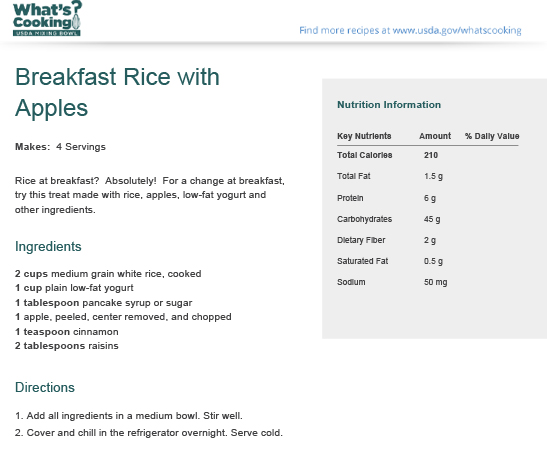
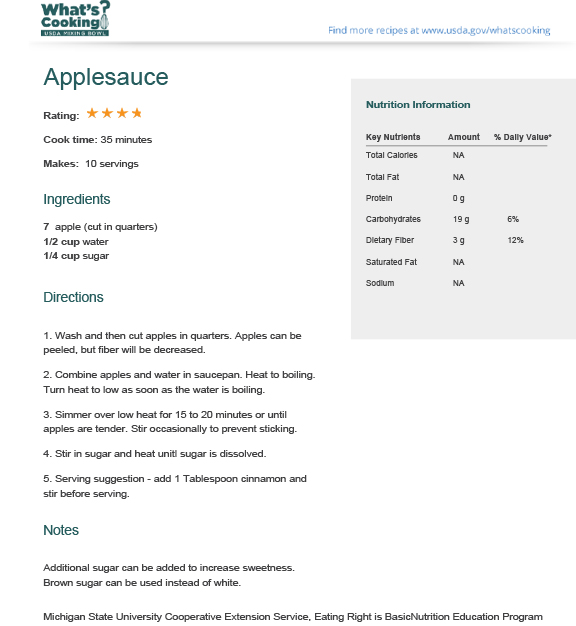
Following is an article from Fit Day that discusses the nutritional benefits of apples. Also, there are several recipes that utilize this nutritious fruit found below.
FIT DAY
Although it might look like a simple piece of fruit, there’s a lot more to an apple than meets the eye. Apples are a good source of a variety of vitamins and minerals. Studies have also established an association between apple consumption and numerous health benefits. An apple a day will do a lot more than just keep the doctor away.
Vitamins and Minerals in Apples
Apples are full of healthy antioxidants, fiber, vitamins and minerals. One medium sized apple contains 95 calories and 4.4 g of dietary fiber. In addition, an apple is a good source of potassium, phosphorus, calcium, manganese, magnesium, iron and zinc. Apples also contain vitamins A, B1, B2, B6, C, E, K, folate, and niacin. Apples come in different shapes and sizes, so the amount of calories and vitamins in 1 apple varies. Best of all, apples contain no fat, sodium or cholesterol.
Anti-Carcinogenic Properties
Studies suggest apples might even work to fight cancer. In fact, the average medium sized apple contains more cancer fighting antioxidants than a large dose of vitamin C. In addition, apples contain other cancer fighting agents, including phytochemicals and phytonutrients. Phytonutrients help lower LDL or bad cholesterol. By lowering your LDL cholesterol, you reduce your likelihood of developing heart disease. Antioxidants fight cancer causing free radicals that damage healthy cells and promote the growth of cancerous cells.
Apples and Appetite Control
Every dieter should be sure to eat enough fiber every day. Fiber helps you control your appetite by making you feel full and satisfied. If you don’t eat enough fiber, you might feel hungrier in between meals and over consume high calorie foods during the day. Apples contain pectin, which is a form of fiber. When you think of fiber, you might immediately think of germ and bran. But don’t underestimate the amount of fiber in an apple. You might be surprised to learn an apple contains the same amount of dietary fiber as a serving of bran cereal! Many health experts recommend those struggling with obesity to eat an apple everyday as an easy and practical way to control their appetite and lose weight. Pectin also helps keep your digestive system regular by removing toxins and other harmful substances from your body.
Sugar Content of Apples
Although sweet apples do contain sugar, there’s a distinction between the sugar found in apples and the sugar found in processed candies. The energy you get from eating an apple is more sustained than the energy you get from eating white table sugar. This is because apples contain complex carbohydrates, which don’t cause a dramatic spike in blood sugar.
If you’re looking for a sweet snack that won’t wreck your diet, an apple might be just what you’re looking for. Apples might make the perfect substitute for candy or soda. To fight off midday hunger pains, you could enjoy an apple with a tall glass of water.
(This article is directly from Fit Day)


Wellness Wednesday – Volume 2 – Week 36
Wellness Wednesday – Volume 2 – Week 35
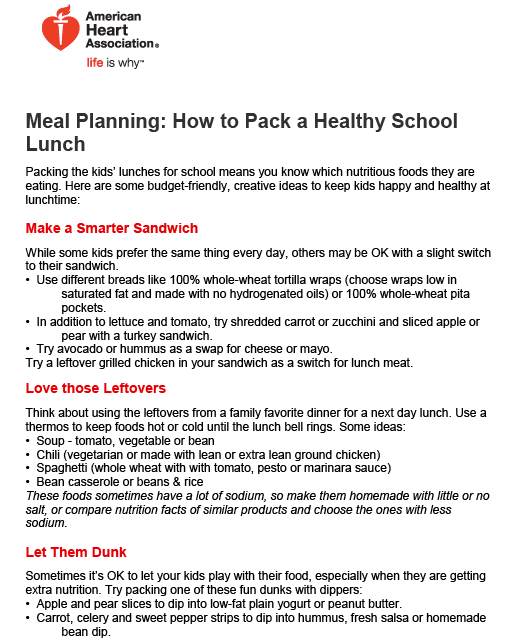
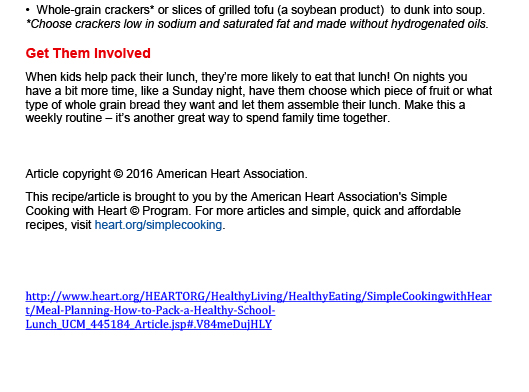
Wellness Wednesday – Volume 2 – Week 34
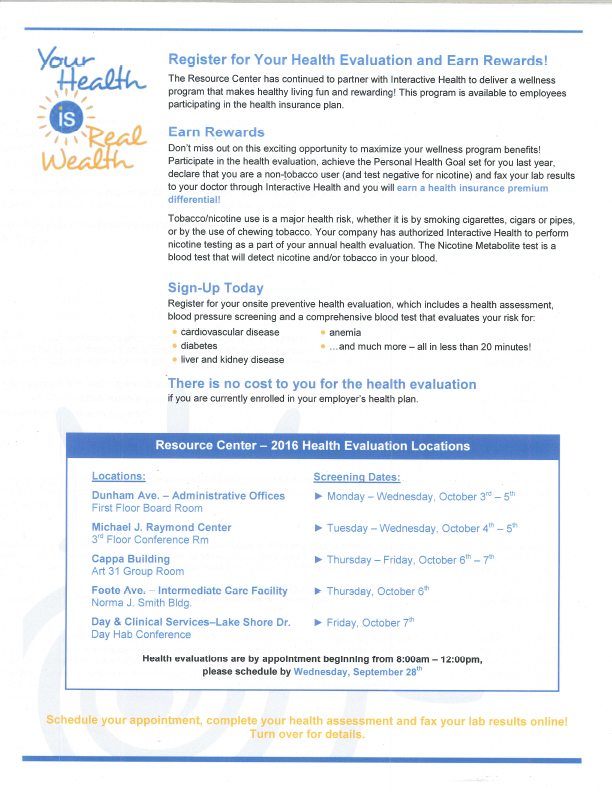
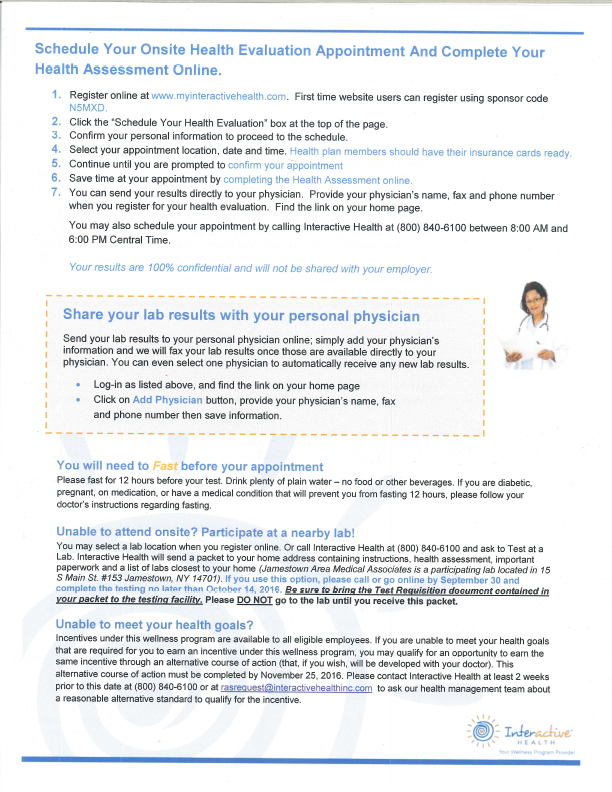
Wellness Wednesday – Volume 2 – Week 32
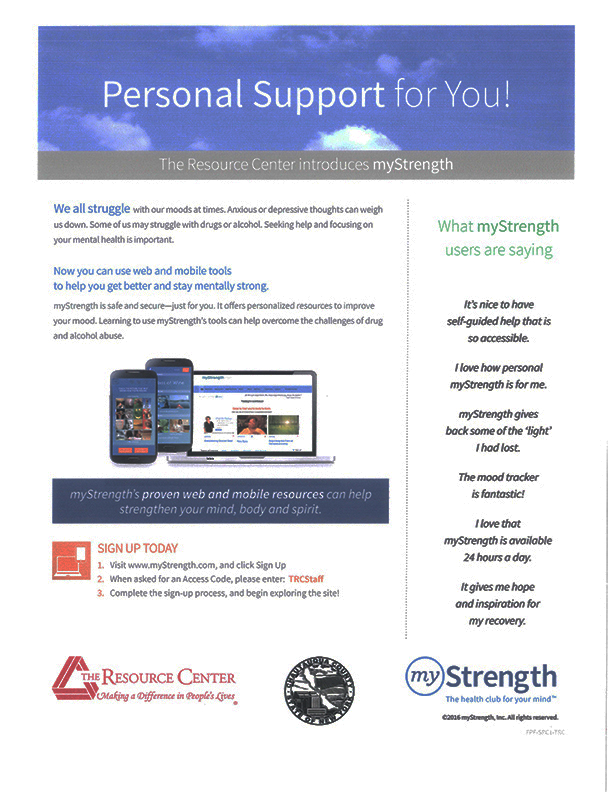
TRC STARS Health Plan Members
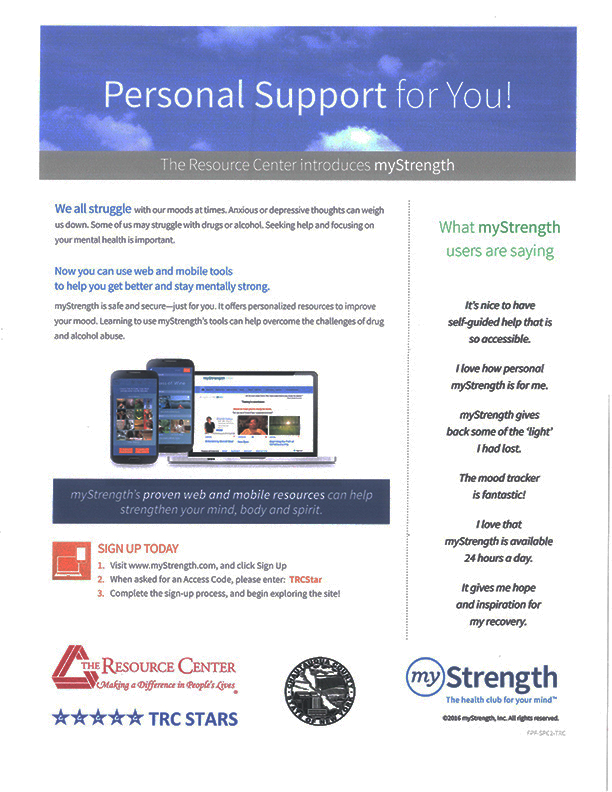
TRC Staff
Wellness Wednesday – Volume 2 – Week 31
Choosemyplate.gov – A Great Resource
In today’s day and age, there are various opinions and principles surrounding weight loss, nutritious eating and exercise. We have access to a phenomenal resource right at our fingertips. ChooseMyPlate.gov is an online resource from the USDA Center for Nutrition. ChooseMyPlate.gov focuses on making small life style changes to eat healthier and to increase physical activity. It is geared for adults, children, professionals, and families and is jam packed full of online resources, tips and suggestions for today’s person who is looking for direction in making a lifestyle change and taking control of what they are eating and drinking. Included in this website are ideas, pictures, graphs and recipes to help those who are not quite sure how to start. It also reviews the food pyramid and explains what is needed in each food category to comprise a well-balanced meal.
For example, this week, ChooseMyPlate.gov sent an email that gives tips and trick on how to eat healthy on a budget (see links below). All the resources needed to accomplish this are available on the website. This week’s Wellness Wednesday is geared toward getting you to the ChooseMyPlate.gov website and utilizing all that it has to offer.
Attached to this page are four links (1 is the direct link to the site, the other 3 are the links to the weekly topic of eating healthy on a budget):
1. ChooseMyPlate.gov
2. 2 week menu plan
3. Grocery list (for 2 week menu plan)
4. Recipes (for 2 week menu plan)
Take some time and look through ChooseMyPlate.gov. It has a wealth of information to get you started on a path to healthier living!!!!!!!
Wellness Wednesday – Volume 2 – Week 30
Wellness Wednesday – Volume 2 – Week 29
The Tale of Why You Inhale
by Lindsey Carlson Public Health Intern, The Resource Center
Most individuals are aware of the dangers and health consequences that go along with partaking in smoking cigarettes or using other tobacco products, but over 264 billion cigarettes were still sold in the year 2015.¹ The majority of those who smoke cigarettes begin early on in their life and for a few common reasons. Some reasons may include: being curious, wanting to relieve stress, fear of rejection by friends or family members, and/or going through a difficult time in life.² Many feel as though they will only try it and if desired will have the power to quit before any serious consequences occur from it. Unfortunately, this idea is usually not as easy as it seems and continued use is seen for a long period of time. Unexpectedly, a nine letter word appears and takes away a sense of control, A-D-D-I-C-T-I-O-N.
As for cigarettes and tobacco products, nicotine is the naturally occurring substance found in the leaves of a tobacco plant. Within ten seconds after inhalation occurs nicotine arrives at the brain and begins disrupting normal bodily functioning. Instantly, nicotine binds to receptors in the body causing a flood of epinephrine (adrenaline) and dopamine into the system. Epinephrine begins to create a fight or flight response by strengthening breathing rates, increasing blood pressure, and causing the heart to beat harder and faster than normal. Along with epinephrine, increased dopamine is also released. Dopamine creates the “everything will be okay” “feel good” vibe after having a cigarette. The body receives a rewarding response from these and in turn begins to want more. Tolerance to the substance is also built requiring more cigarettes to be used in order to receive the same response; this is how addiction is born.³
Along with the body’s addiction to nicotine, habits are also created. A habit consists of a routine that is developed by performing an action because of an association to something else. For example, most smokers light a cigarette first thing in the morning, during breaks at specific times throughout the day, in the car, and when drinking substances such as coffee or alcohol. The body physically and psychologically becomes acclimated to this process. Without being aware, the body automatically triggers a response to smoke. When it is taken away, withdrawal symptoms occur, which makes it difficult to give up.4
Being aware and figuring out a different “go to” is shown to be very beneficial to the quitting process by taking place of the old habit. Interestingly, exercise is shown to produce and release dopamine naturally in the body which is why it is a great tool to help with the quitting process. If an enjoyable physical activity is found it can also help develop a positive self image and boost confidence to stay smoke free. This in turn becomes a win-win situation for the body to become as healthy as possible. Along with exercise, specific foods containing the amino acid tyrosine help to generate dopamine in the body as well. They can contribute to a positive mind-set and help deal with stressful situations. Examples of these foods include: eggs, kale, bananas, yogurt, almonds, avocados, and chicken. They help to create a balanced diet as well as provide a rewarding feel good response.5 It is important to remember, when one step is taken in a positive direction, it is easier to take another step in the same direction to contribute to a healthier lifestyle.
Although cigarettes are often not seen as a serious and harmful drug, nicotine is just as addictive as other powerful drugs such as heroin and cocaine. According to the National Institute of Drug Abuse, addiction is considered a, “Chronic relapsing brain disease that is characterized by compulsive drug seeking and use despite harmful consequences.”² Along with the nicotine, another 7,000 chemicals found in cigarettes are what contribute to the startling health statistics. When lit, a group of cancer causing agents work together and start causing immediate damage from the formation of smoke that is inhaled. The strongest correlation is the relationship between smoking and lung cancer. Smoking is associated with roughly 90% of all reported lung cancers. It can have an impact on almost all parts of the body from decreased taste to even contributing to diabetes by limiting insulin production.¹ In Chautauqua county 26 percent of adults smoke cigarettes compared to 16.8 percent of the United States adult population.6 New York State is ranked the most expensive state to purchase cigarettes in, with an annual out of pocket cost of $3,674.7 It has also contributed to healthcare cost of over 300 billion dollars each year.
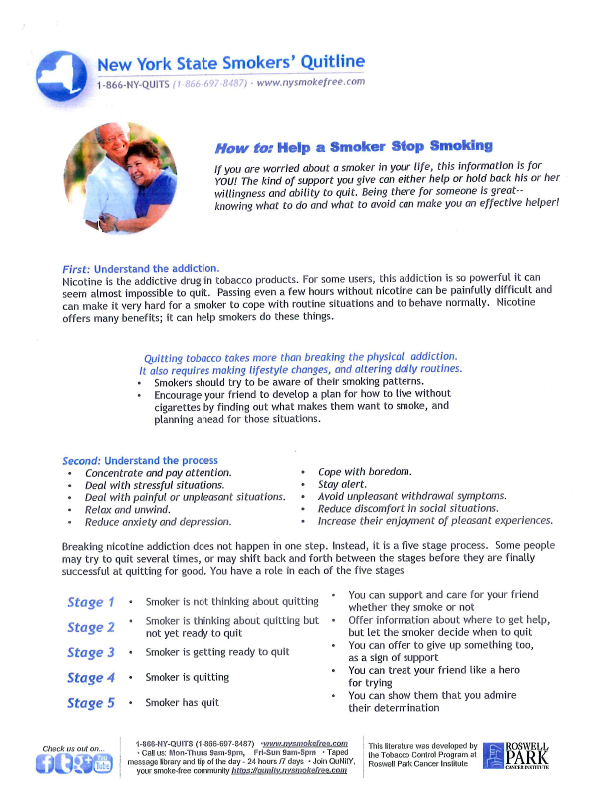
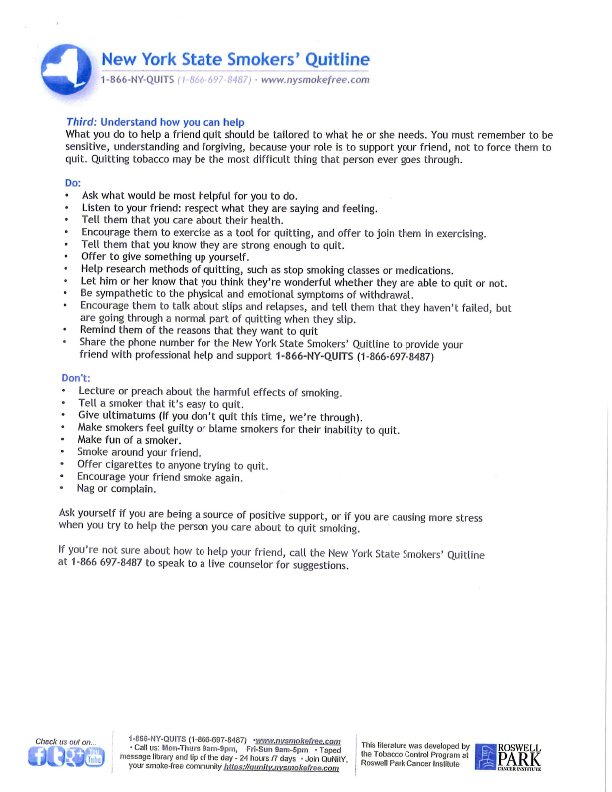
When deciding to quit is important to develop a specific plan and have a strong support system during this process. Quitting with a friend is normally beneficial if both are equally committed to the process. Along with exercise and a healthy diet there are several medications that are on the market to help fight off cravings, including nicotine replacement therapies. These are the products that are widely known and include nicotine gum, patches, and lozenges. They can be bought over the counter and are shown to be highly effective in the quitting process. Talking with a physician about prescription medications such as Bupropion and Varenicline may also be helpful to fight off withdrawal symptoms. These medications are shown to be the most useful when paired directly with counseling.³ Although it is not an easy task, there are immediate and long term benefits that occur after quitting. The body begins to function how it did before smoking and lung function starts to recover. Within one year the threat of cardiovascular disease is cut in half and the risk for almost all cancers decreases dramatically. Within 5 years many health risks such as strokes are decreased to that of a non-smoker.¹1 It is important to remember that “Quitting smoking is a marathon, not a sprint” and that you are stronger than they are.
**If you are a current smoker or tobacco user, The Resource Center will be going Tobacco Free January 2017 so now is a perfect time to quit if desired. There are “Quit Kits” available as well as helpful information on the TRC STARS website. If you would like assistance with the quitting process feel free to contact your health coach, visit nysmokefree.com and/or call 1-866-NY-QUITS.
References
1. Center for Disease Control and Prevention. Economic Facts about U.S. Tobacco Production and Use. 8 April 2016. Available at: http://www.cdc.gov/tobacco/data_statistics/fact_sheets/economics/econ_facts/index.htm#sales. Accessed July 5,2016
2. National Institute on Drug Abuse. Drugs, Brain, and Behavior: The Science of Addiction. July 2014. Available at: https://www.drugabuse.gov/publications/drugs-brains-behavior-science-addiction/introduction. Accessed July 5, 2016
3. National Institute on Drug Abuse. Drug Facts: Cigarettes and Other Tobacco Products. May 2016. Available at: https://www.drugabuse.gov/publications/drugfacts/cigarettes-other-tobacco-products. Accessed July 5, 2016
4. Rosen J. John Hopkins University. Why is Breaking Habits Hard? Our Brains are Biased by Past Rewards. 11 February 2016. Available at: http://hub.jhu.edu/2016/02/11/dopamine-addiction-brain-science/. Accessed July 5,2016
5. University of Maryland Medical Center. Tyrosine. 16 July, 2013. Available at: http://umm.edu/health/medical/altmed/supplement/tyrosine. Accessed July 7, 2016
6. Chautauqua County Department of Health. Chautauqua County Community Health Assessment 2014-2017. 15 November 2013. Available at: http://chautauqua.ny.us/DocumentCenter/View/939. Accessed July 5, 2016
7. Bernardo, Richie. The True Cost of Smoking by State. 2016. Available at: https://wallethub.com/edu/the-financial-cost-of-smoking-by-state/9520/#cost-lifetime. Accessed July 19, 2016
 TRC STARS/SAFER